MuddyWater Hides Espionage Operations Behind Chaos Ransomware Smoke Screen
Iranian threat group MuddyWater is deploying Chaos ransomware as a distraction while conducting actual espionage via Microsoft Teams social engineering — a double-layer deception operators need to account for.
When the Ransomware Is the Lie
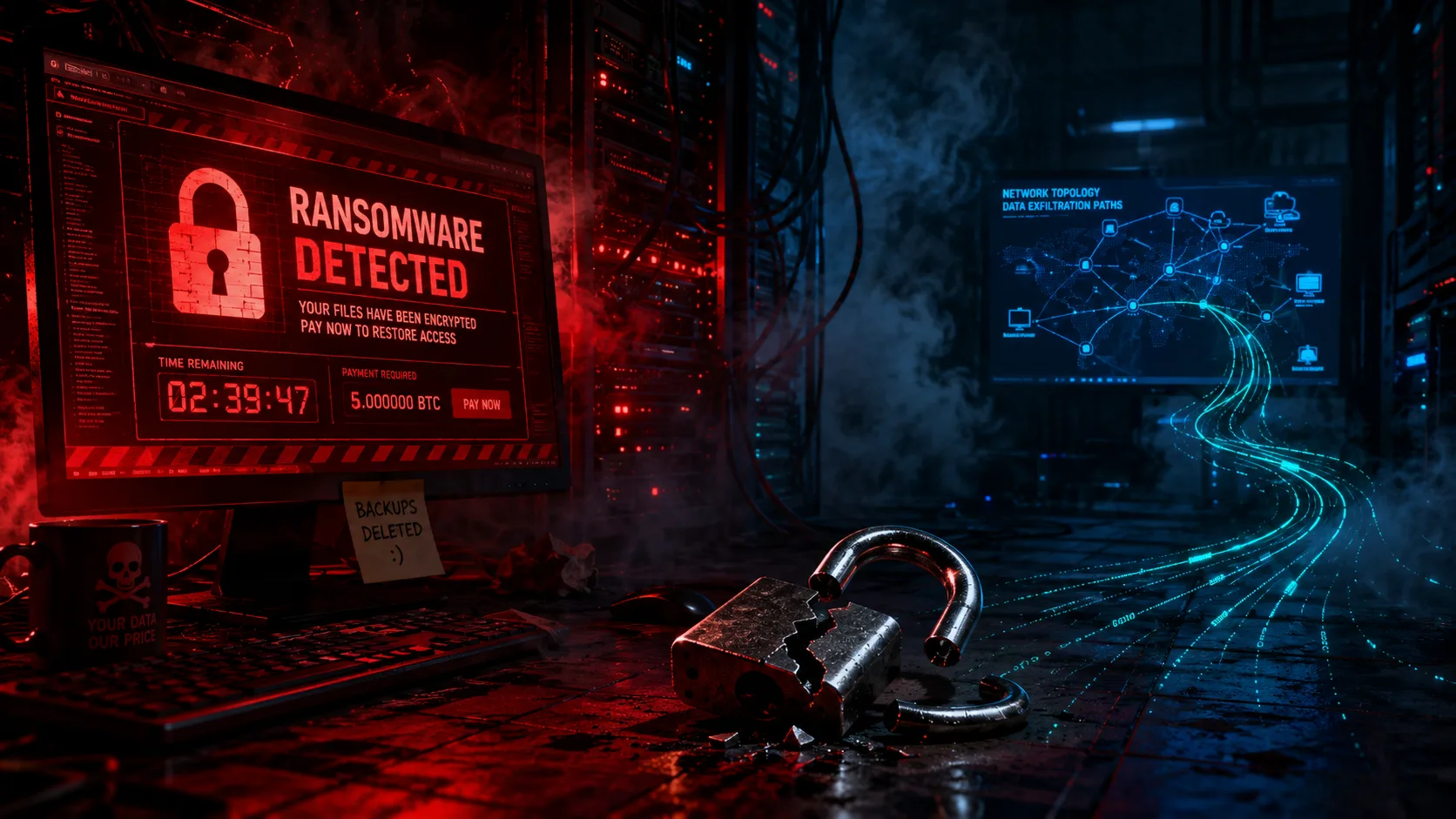
Most incident response playbooks treat ransomware as the end-state: files encrypted, business disrupted, ransom demanded. MuddyWater is betting on exactly that assumption — and exploiting it.
According to reporting from BleepingComputer, the Iranian state-linked group has been staging Chaos ransomware deployments not to collect a ransom, but to give defenders something loud and obvious to chase while the real objective — persistent access and likely intelligence collection — proceeds quietly in the background. This is a meaningful tactical evolution worth unpacking.
The Microsoft Teams Vector Deserves Serious Attention
The initial access method here is Microsoft Teams-based social engineering. We've been watching this vector mature for a couple of years now, and it keeps working because most organizations treat Teams as an internal-trust environment. Conditional Access policies that would catch a suspicious OAuth app or an unfamiliar device hitting Exchange Online often have carve-outs or looser enforcement for Teams traffic.
A few things operators should be auditing right now:
- External access settings in Teams Admin Center. Do you allow federated chat from arbitrary external tenants? If you don't have a business reason for it, turn it off or restrict it to a named allow-list.
- Guest account hygiene. MuddyWater-style lures frequently involve either compromised external accounts or attacker-controlled tenants that look plausible. Review your guest user list and enforce access expiration.
- Privileged user Teams exposure. Your tier-0 admins should not be reachable via Teams from external parties. Segment that aggressively.
Decoy Ransomware Changes Your Triage Priority Model
Here's the operational problem this tactic creates: when your EDR or SIEM fires a ransomware alert, every responder's instinct is to contain the encrypted hosts, pull them off the network, and start recovery. That's correct behavior for a financially motivated ransomware actor. Against a nation-state using ransomware as cover, that response may be exactly what the attacker wants — you're focused on remediation while their implant on a different host continues beaconing.
This means your IR runbooks need a branch specifically for ransomware incidents that show indicators of state-actor TTPs. Before you go full containment-and-restore mode, ask:
- Is there any C2 traffic that predates the encryption event?
- Are there accounts showing lateral movement patterns inconsistent with ransomware operators (who typically move fast and loud)?
- Does the ransom note or encryption behavior match known financially motivated groups, or does something feel off?
MuddyWater has a documented history of using legitimate RMM tooling for persistence — that kind of quiet, low-and-slow foothold doesn't look like a ransomware precursor. It looks like an IT admin doing their job.
Attribution Confidence and What It Changes for Defenders
MuddyWater is generally assessed as subordinate to Iranian intelligence. That framing matters for your response posture. A criminal ransomware group wants to get paid and move on. A state actor wants to stay. Even after you've cleaned up the Chaos ransomware component, assume the access objective may have been achieved. Treat any confirmed MuddyWater intrusion as a full compromise-assumed scenario: rotate credentials, audit service accounts, review federation trust configurations in Entra ID, and check for any new or modified conditional access policies the attacker may have touched to ensure their persistence.
The decoy ransomware also creates a legal and notification complexity — you may have a reportable encryption event on top of a suspected espionage intrusion. Get your legal and compliance teams looped in early; the notification obligations can differ significantly depending on which thread of the incident you're describing.
Bottom Line
Ransomware-as-distraction is not a new concept in theory, but seeing a nation-state group operationalize it with Teams-based initial access is a concrete reminder that your detection logic needs to survive an adversary who is actively designing around it. Noisy events can be manufactured. Quiet persistence is the real threat.
Source: MuddyWater hackers use Chaos ransomware as a decoy in attacks — BleepingComputer
Original source: www.bleepingcomputer.com
Keep reading in Threat Intel